Utility and meter seals are specialized hardware designed for precision auditing. In the automotive world, these high-security twist seals are gaining popularity for protecting ELDs, diagnostic ports, and sensitive electronic controllers.
Twist-Style Locking Mechanisms
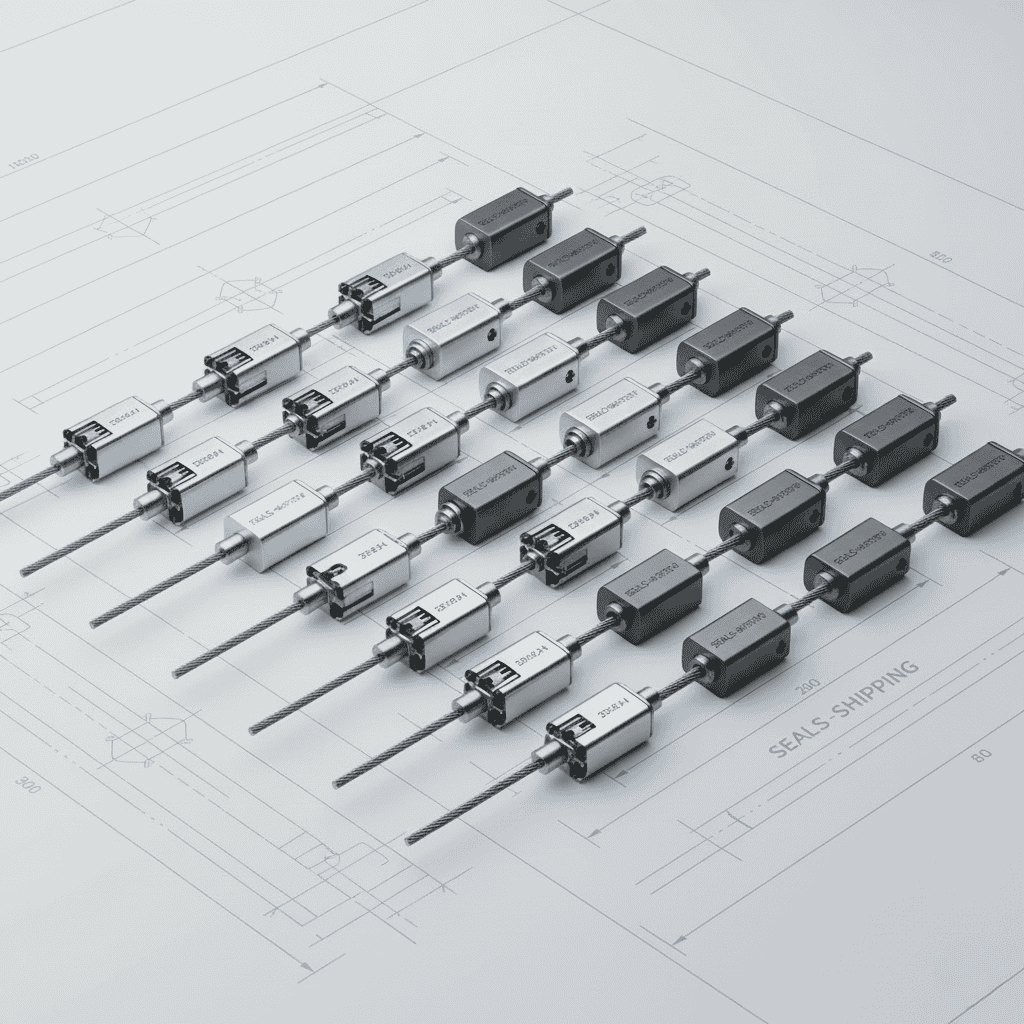
Unlike standard pull-tight seals, twist seals use a rotating internal mechanism that anchors a stainless steel or copper wire. Once the handle is snapped off, the seal cannot be unwound without destroying the polycarbonate body.
Polycarbonate Bodies
Key Features of Utility Seals
The Automotive Connection
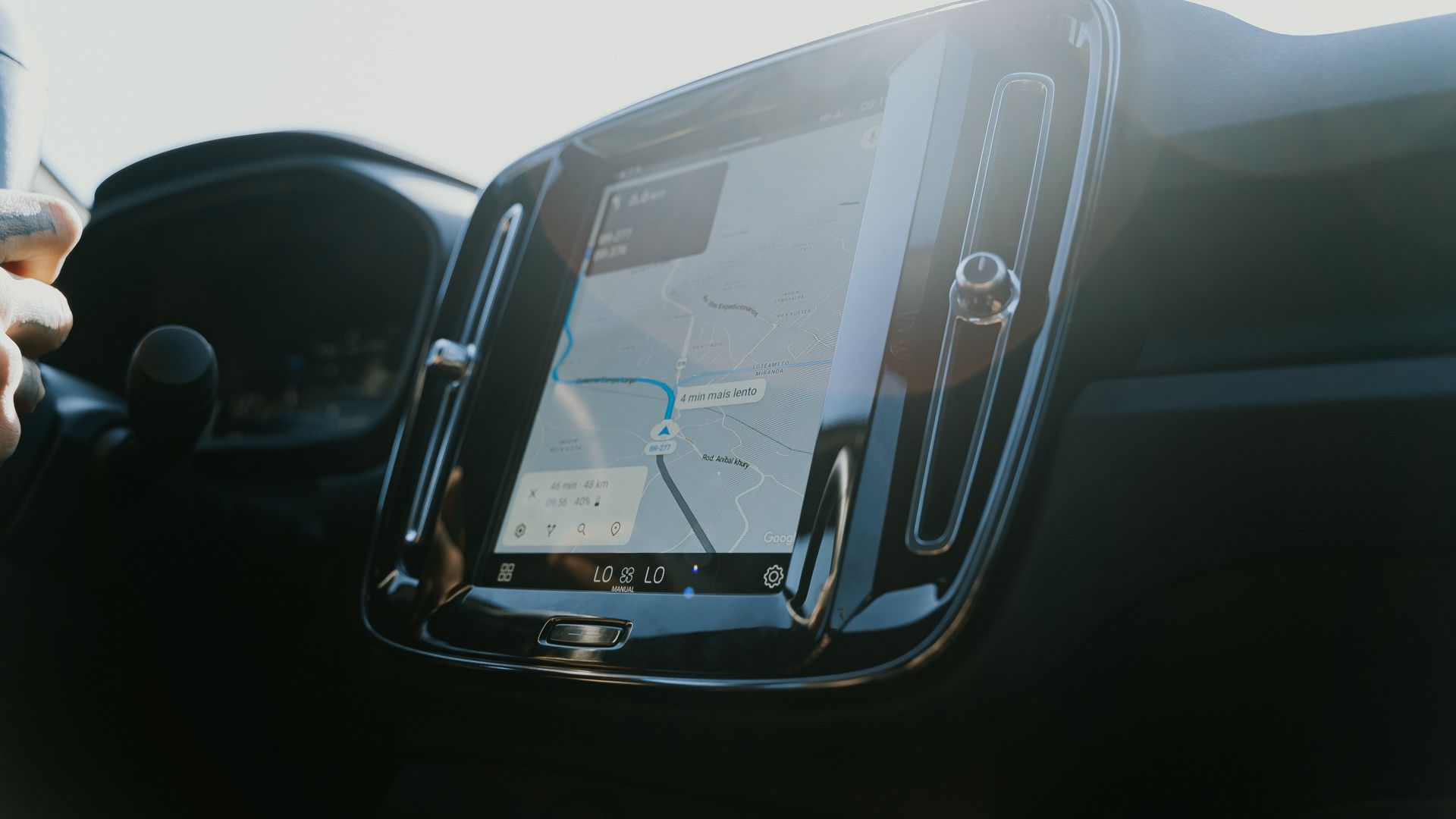
Why use meter seals in car shipping? The rise of connected vehicles means data integrity is just as important as physical integrity.
| Location | Why Seal It? | Recommended Seal |
|---|---|---|
| OBD-II Port | Prevent mileage or software tampering | Polycarbonate Twist |
| ELD Units | Ensure regulatory data logging | Twist Seal w/ Wire |
| Battery Terminals | Prevent unauthorized power cycles | Custom Wire Seal |
Expert Tip
Conclusion
As vehicles become "computers on wheels," the standards of security must evolve. Utility and meter seals provide the forensic-level audit trail needed for modern automotive logistics.
FAQs About Auto Transport
A twist seal uses a rotating mechanism to anchor a sealing wire inside a polycarbonate body, providing clear evidence if anyone attempts to tamper with it.
We use high-security meter seals to protect ELD (Electronic Logging Device) units and diagnostic ports in trucks to ensure data integrity during transport.
Polycarbonate is transparent and impact-resistant, allowing for easy visual inspection of the internal locking mechanism for any signs of tampering.
No, meter seals are designed for one-time use. Once the wire is cut or the body is damaged, it cannot be resealed without leaving obvious evidence.
Yes, our utility seals are UV-stabilized and designed to withstand extreme temperatures and harsh outdoor environments for several years.