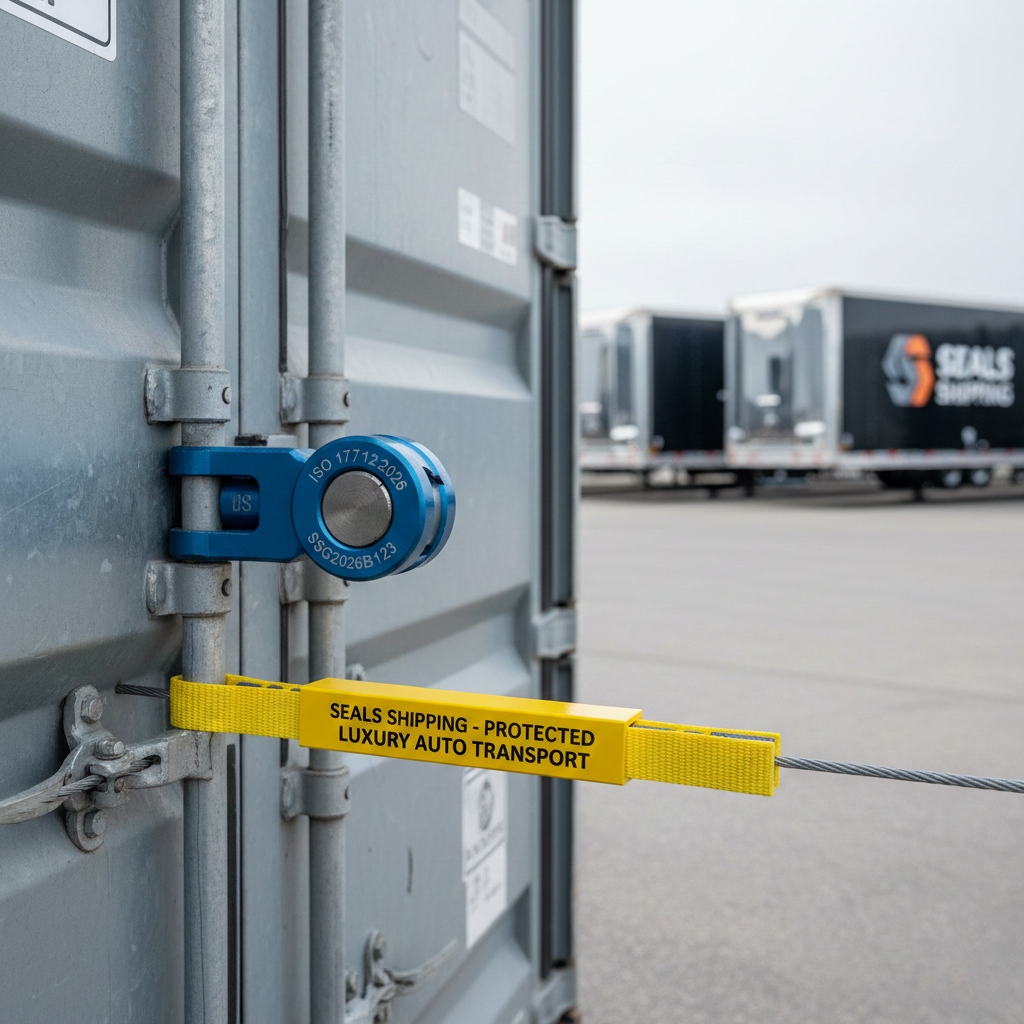
When booking auto transport, you'll encounter two primary delivery methods: Door-to-Door and Terminal-to-Terminal. Understanding the trade-offs between convenience, cost, and safety is key to choosing the right service for your needs.
Door-to-Door Shipping: The Premium Standard
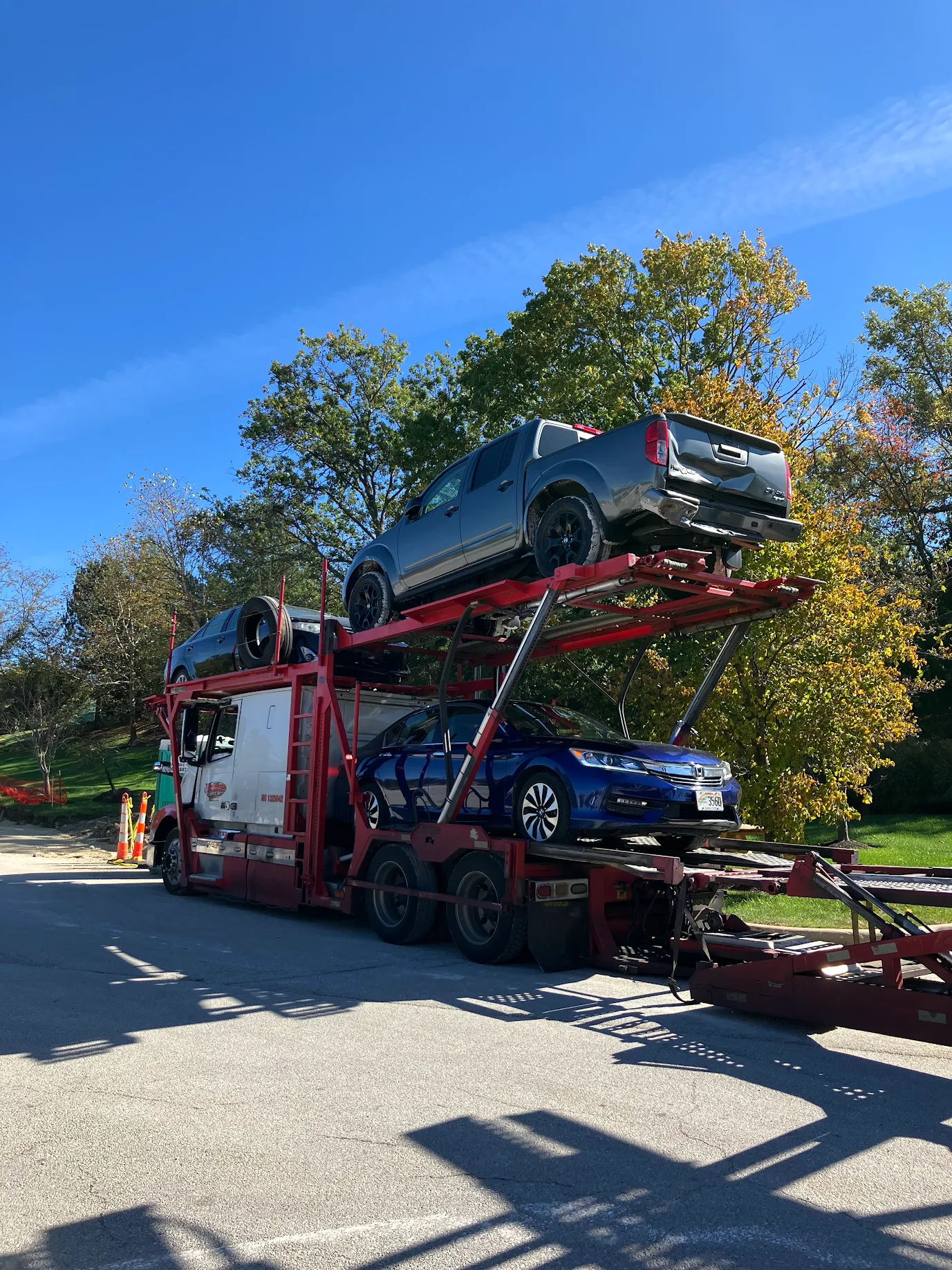
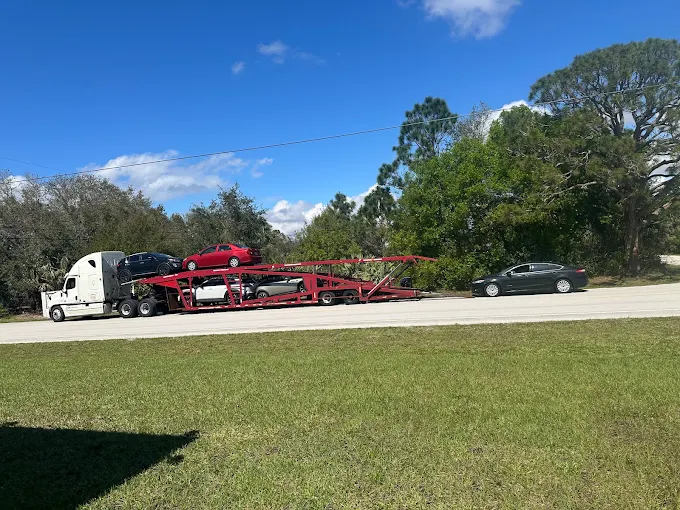
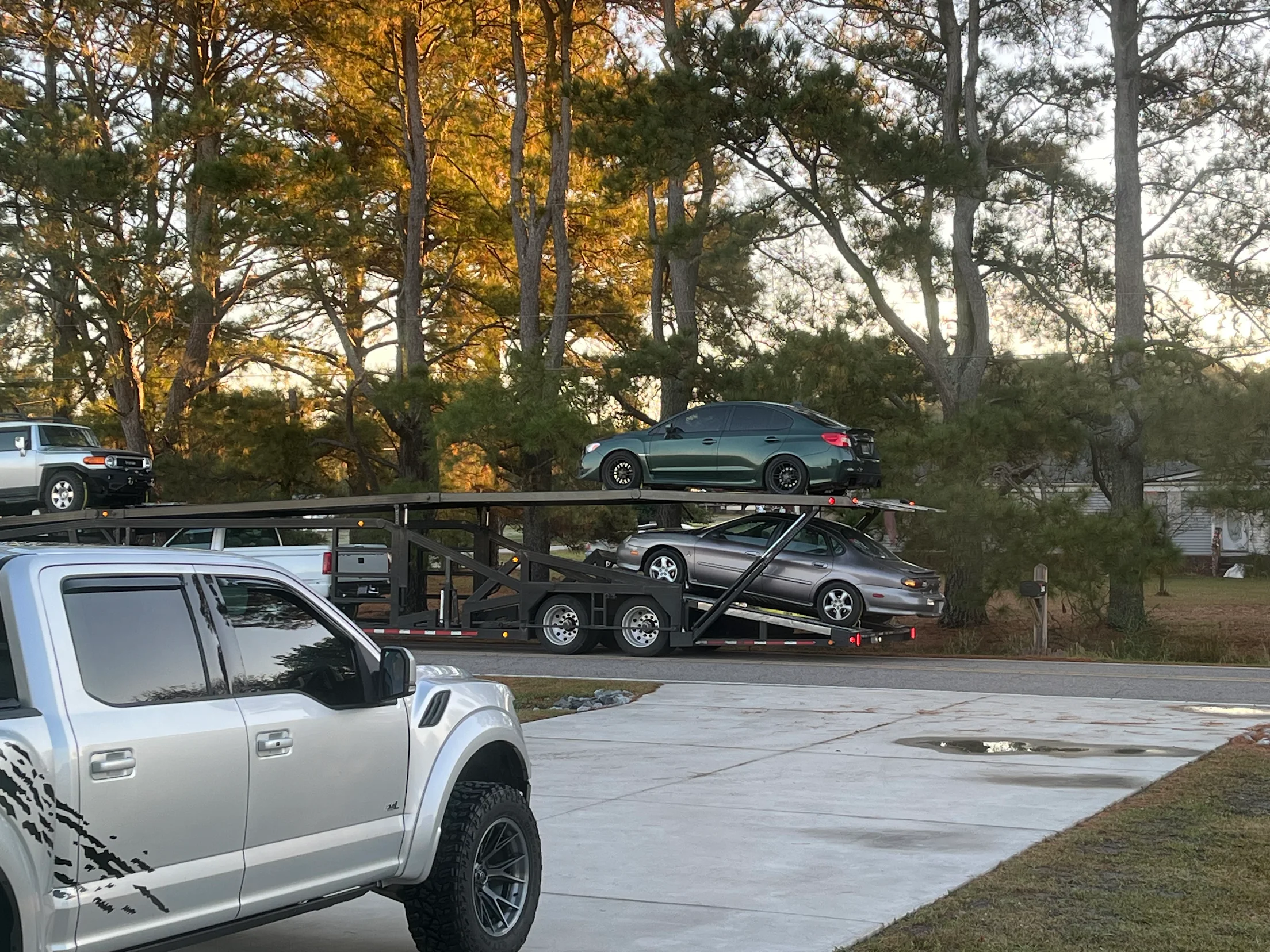
In door-to-door transport, the carrier picks up and delivers the vehicle as close to your specified locations as safely possible. This is the industry standard for most private vehicle shipments.
Benefits of Door-to-Door
Safe Location Note
Terminal-to-Terminal Shipping: The Budget Option?
This method requires you to drop off and pick up your vehicle from a regional storage hub. While it can sometimes be cheaper, it often involves hidden storage fees and longer wait times.
| Feature | Door-to-Door | Terminal-to-Terminal |
|---|---|---|
| Convenience | Highest | Low |
| Cost | Standard | Potential Savings |
| Lead Time | Fastest | Delayed |
| Safety | Better | Multiple hand-offs |
Expert Tip
FAQs About Auto Transport
Not necessarily. Between the cost of travel to the terminal, potential Uber/taxi fees, and hub storage costs, the 'savings' often disappear.
Insurance typically only covers the car while it is in transit on the truck. Terminals may have limited liability, making it a riskier choice.
Conclusion
For most customers, the convenience and safety of door-to-door transport far outweigh the marginal savings of terminal shipping. Ready to get your car moved?
FAQs About Auto Transport
Not necessarily. Once you factor in travel to the terminal, potential storage fees, and multiple vehicle hand-offs, the savings often disappear.
Carrier insurance typically only covers the vehicle while it's in transit on the truck. Terminals usually have limited liability, making door-to-door the safer option.