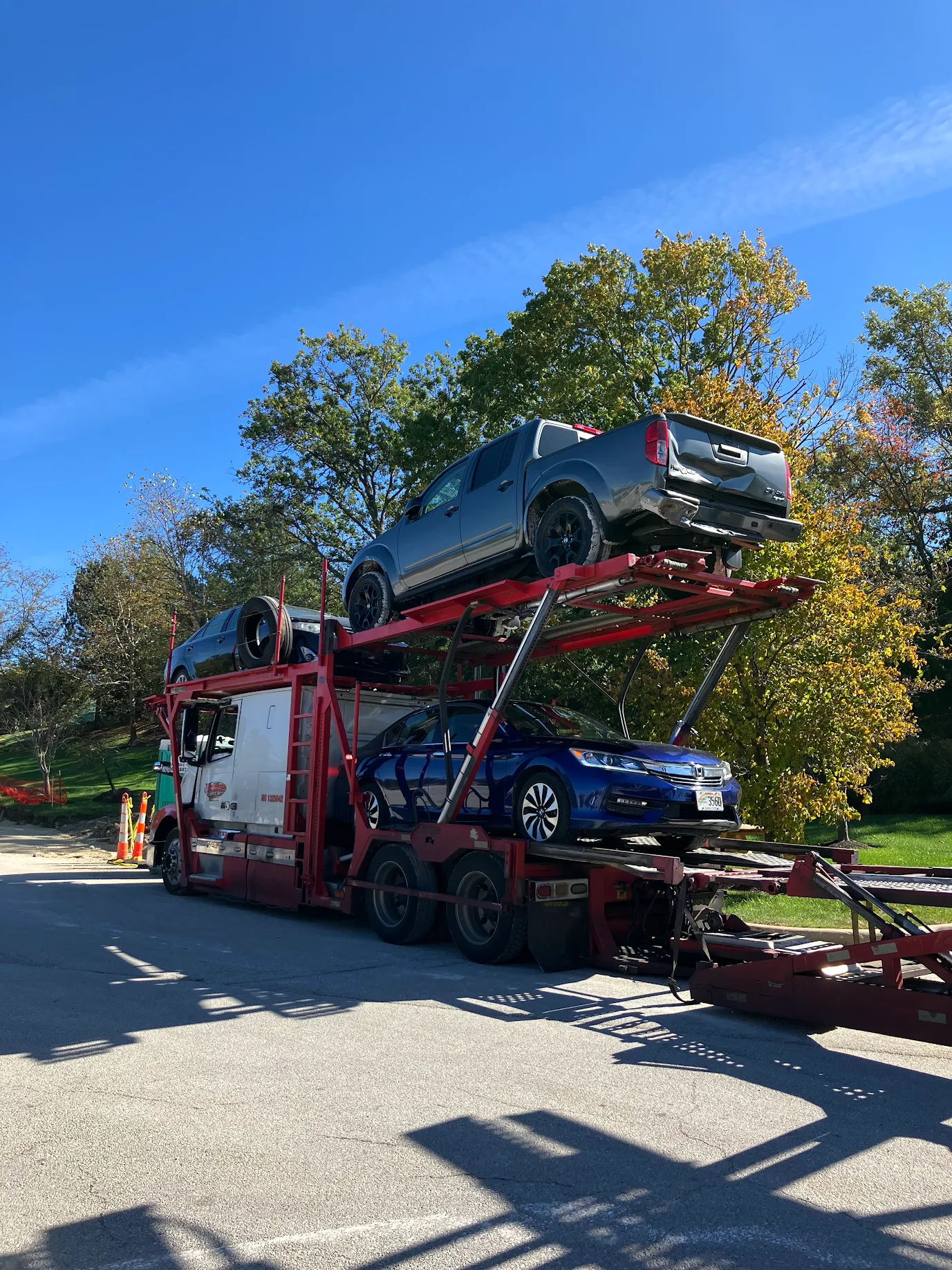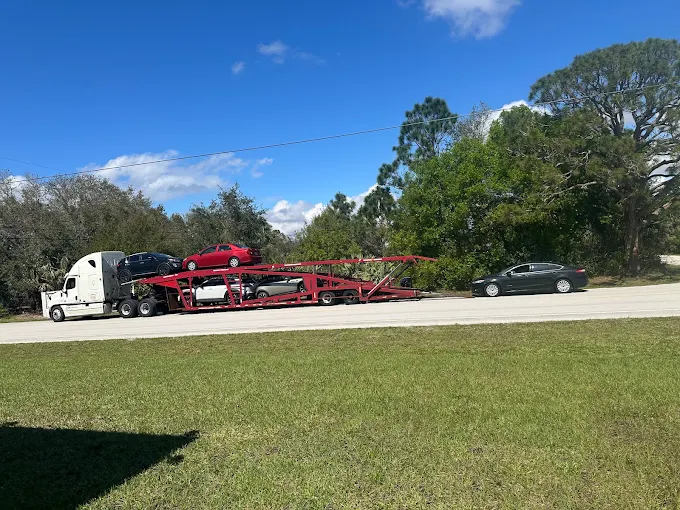
Most people picture car shipping as a simple two-step: a truck picks up your vehicle and another drops it off. And for a standard domestic shipment, that picture is close enough. But the moment you zoom out — to cross-country moves, military PCS relocations, or international transfers — what you see is something far more layered: a system of networks, partnerships, and logistics handoffs that most shippers never think about, but absolutely depend on.
Understanding how that system works isn't just interesting. It's practical knowledge that helps you ask better questions, choose better partners, and ship your vehicle with more confidence.
What Actually Happens When You Ship a Car
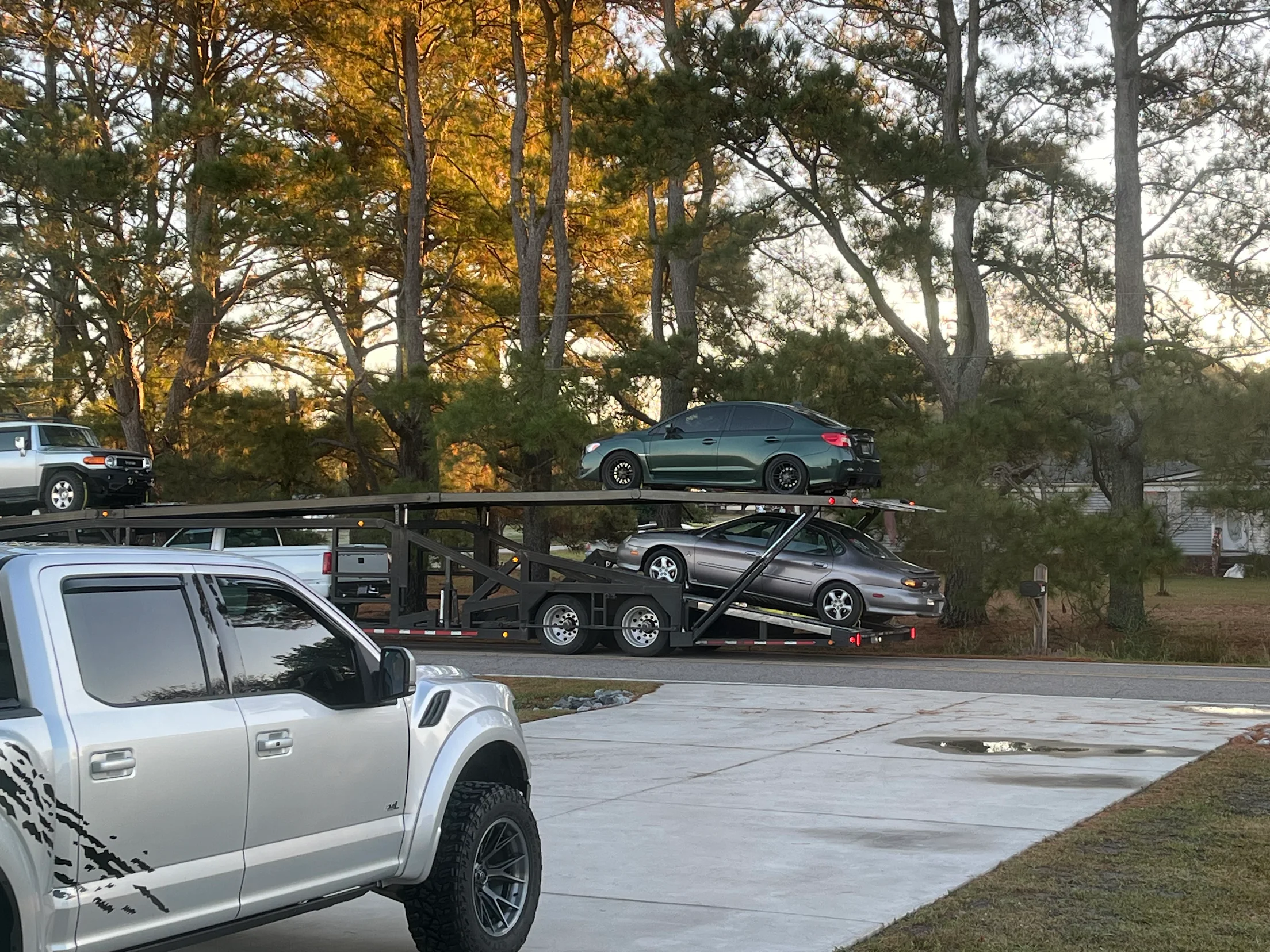
When you book an auto transport service for a domestic move, the company you contact is almost always a broker — not the carrier driving the truck. That broker's job is to match your shipment to a carrier in their network who has available space on a trailer running your route.
This matters because no single carrier covers every route in the country. The US auto transport market runs on a web of thousands of licensed, insured carriers — each operating within their preferred region, corridor, or specialty. Brokers access this network through load boards (primarily Central Dispatch), which act as a real-time marketplace connecting brokers to carriers with available capacity.
The result for you: your car gets moved faster, at a more competitive price, and with more flexibility in scheduling than if you tried to book directly with a single carrier every time.
That carrier-network model — where no single company does everything, but a connected ecosystem of vetted partners covers the whole map — is the foundation of how vehicle transport works at scale.
When Domestic Shipping Meets International Infrastructure
For the majority of Seals Shipping customers, transport starts and ends in the continental US. But there's a growing group of shippers whose needs take a vehicle across a border:
- Military service members on PCS orders relocating to overseas duty stations in Germany, Japan, South Korea, or elsewhere
- Expats and long-term relocators moving abroad and wanting to bring a personally owned vehicle
- Online vehicle buyers importing a classic, specialty, or hard-to-find car from another country
- Seasonal relocators whose snowbird moves eventually involve a Canadian crossing
- Corporations moving fleet vehicles across borders as part of a facility change
In each of these cases, the domestic carrier network hands off to a completely different layer of logistics infrastructure: international freight forwarding.
A freight forwarder is a licensed intermediary that arranges the movement of cargo across international borders — handling ocean freight bookings, customs documentation, port coordination, and destination-country delivery. For vehicles specifically, this often means booking space on a RoRo (roll-on/roll-off) vessel or securing a container, preparing export documentation, coordinating with customs brokers at both ports, and arranging local pickup and delivery at the destination.
It's a specialized skill set, and most domestic auto transport brokers don't have it in-house. That's where global freight networks enter the picture.
What Is a Freight Network — and Why Does It Matter?
A freight network is a formal membership organization of independent freight forwarders who have agreed to vet each other, operate to shared standards, and work together on cross-border shipments.
Here's why that structure matters: when a vehicle needs to move from Chicago to Hamburg, the US-based freight forwarder handling the export needs a reliable counterpart in Germany who can handle port clearance, local customs, and final delivery. Independently, finding and vetting that counterpart for every single shipment would be slow and risky. Through a freight network, that counterpart is already vetted, already agreed to professional standards, and already known to produce reliable results.
Organizations like IFN – Innovative Freight Network connect 235+ independent freight forwarders across 93+ countries, giving members a trusted partner at virtually every major port and trade corridor in the world. When your vehicle needs to travel from a US port to a destination in the Middle East, Southeast Asia, or Europe, it's typically these network relationships — not individual companies acting alone — that make the handoff possible and predictable.
For shippers, the practical implication is this: if you ever need to move a vehicle internationally, the company you work with isn't just a single office. They're a node in a global web of logistics partnerships. The quality and reach of that web determines how smoothly your vehicle moves once it leaves familiar territory.
Questions to Ask Before You Book International Vehicle Shipping
If your move involves a border — whether a military PCS, an import purchase, or an international relocation — these are the questions that separate experienced international shippers from companies that just added "international" to their website:
1. Are you a licensed NVOCC or do you work with one?
An NVOCC (Non-Vessel Operating Common Carrier) is licensed to issue their own bills of lading for ocean freight. If a company can't answer this clearly, they may be outsourcing your shipment without proper accountability.
2. Who handles customs clearance at the destination country?
This should be a specific named partner, not a vague "we work with local agents." The destination-country partner is often as important as the exporting company.
3. Are you a member of a vetted freight network?
Network membership is a proxy for vetting. Independent forwarders who've been accepted into organizations with membership standards have cleared a higher bar than those operating completely independently.
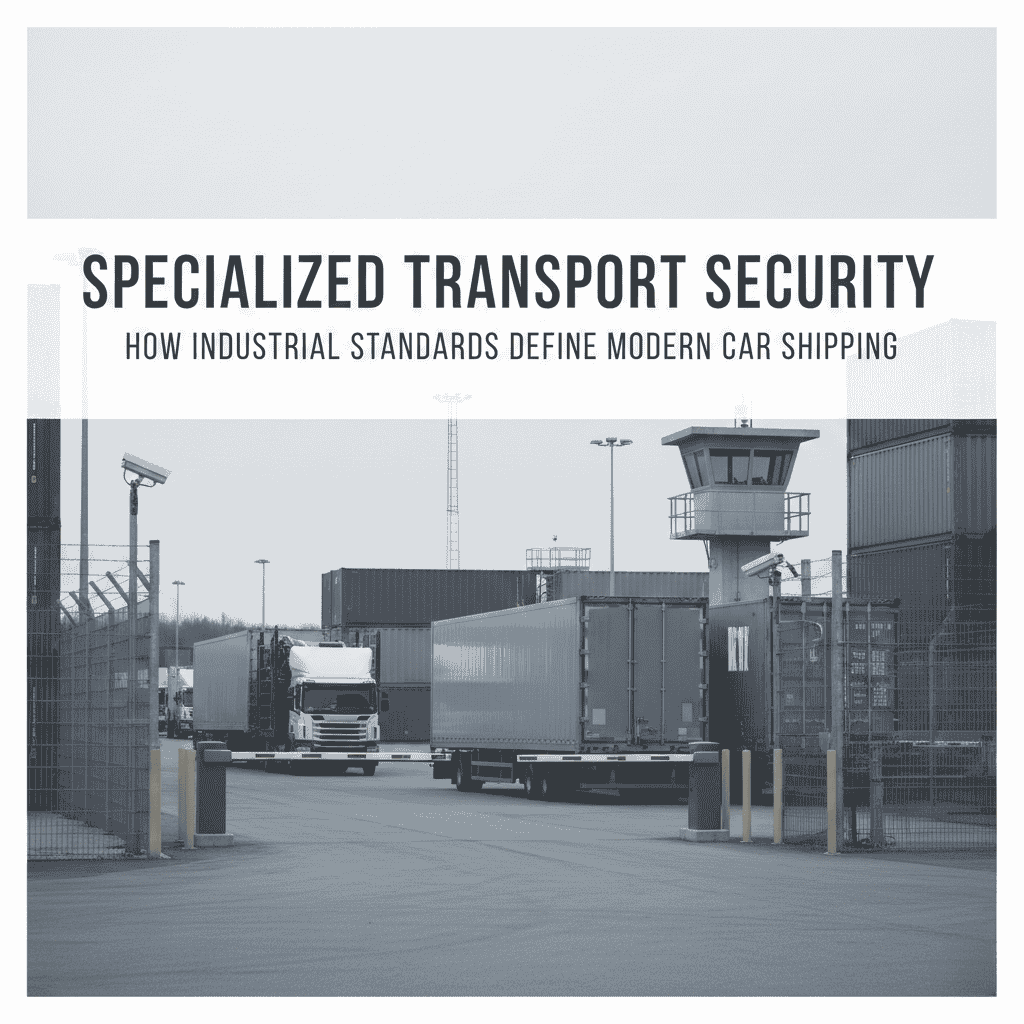
4. How do you handle cargo protection for vehicles specifically?
Vehicle export requires attention to fuel levels, battery disconnection, proper securing, and in the case of electric vehicles, dangerous goods declarations. Ask specifically about their vehicle handling process.
5. What documentation do you prepare, and what does the shipper need to provide?
Typical documents include the original title, bill of lading, shipper's export declaration, and power of attorney. Missing or incorrect paperwork is the most common cause of customs delays.
The Same Principle, Applied to Domestic Shipping
You don't need an international move to benefit from thinking about freight networks. The same principle — reliability comes from the quality of the network, not just one company — applies to domestic auto transport too.
When you ship with a broker who has access to a large, vetted pool of carriers, you get:
- Better coverage across routes, including rural pickup and delivery locations
- More competitive pricing, because carriers bid for your load rather than you negotiating with one company
- Faster dispatch, because a larger pool means someone is almost always available on your timeline
- Higher accountability, because brokers who work repeatedly with the same carriers have real leverage if something goes wrong
The domestic auto transport market has consolidated around this model because it works. A well-connected broker isn't just a middleman — they're the network administrator for your specific shipment, matching you to the right carrier, at the right price, on the right timeline.
What This Means for Your Next Shipment
Whether you're shipping a car across two states or across an ocean, the underlying question is always the same: how well-connected is the company I'm working with?
For domestic shipments, that means asking about carrier network size, FMCSA licensing, and track record on your specific route.
For international shipments, it means asking about freight forwarding partnerships, port coverage, and membership in organizations that hold their members to professional standards.
At Seals Shipping, we operate within a vetted carrier network that covers routes nationwide — so whether you're relocating for work, completing a military move, or shipping a recently purchased vehicle from another state, you're not relying on a single truck and hoping it shows up. You're backed by a logistics network built for exactly this kind of move.
Ready to get a quote? Contact our team or use our instant quote tool to see your options.
FAQs About Auto Transport
A freight network is a membership organization of independent freight forwarders or transport companies who vet each other, agree to shared professional standards, and collaborate on shipments — particularly cross-border ones. Network membership allows a company in one country to hand off a shipment to a trusted partner in another, without having to vet a new company for every route.
Some domestic brokers have international partnerships and can coordinate an international vehicle shipment end-to-end. Others can only handle the domestic leg and will refer you to an international freight forwarder for the ocean portion. Always ask specifically whether the company handles the full international process or just the pickup to port.
A domestic auto transport broker connects you with licensed carriers who move vehicles on trucks within the US. A freight forwarder specializes in international shipments — arranging ocean or air freight, handling customs documentation, and coordinating the cross-border logistics chain. Some companies operate as both; most specialize in one or the other.
The typical set includes: the original vehicle title, a copy of your government-issued ID, a bill of lading, a shipper's export declaration, and a power of attorney authorizing the forwarder to handle export paperwork on your behalf. Destination-country requirements vary — some countries require emissions compliance documentation or modifications to meet local regulations.
Transit time depends heavily on the destination. European routes typically take 2–4 weeks from US port to destination port. Shipments to Asia, Australia, or Africa may take 4–8 weeks. Add 1–2 weeks for port processing, customs clearance, and final delivery at the destination. The domestic pickup-to-port leg typically adds 3–7 days.
Seals Shipping specializes in domestic auto transport across the continental US. For international moves, we recommend working with a licensed freight forwarder who is a member of a vetted global network and can manage the full export, ocean freight, and destination-delivery process on your behalf.