Planning to move your car across state lines? Understanding the cost of car shipping is crucial for budgeting and peace of mind. While there's no single fixed price, several key factors influence the final quote.
The Core Factors Influencing Car Shipping Costs
The price you'll pay depends on a dynamic interplay of various elements. Let's delve into the most significant ones:
01Distance
The further the distance, the higher the total cost, though the cost-per-mile often decreases for longer hauls like cross-country routes.
02Vehicle Size
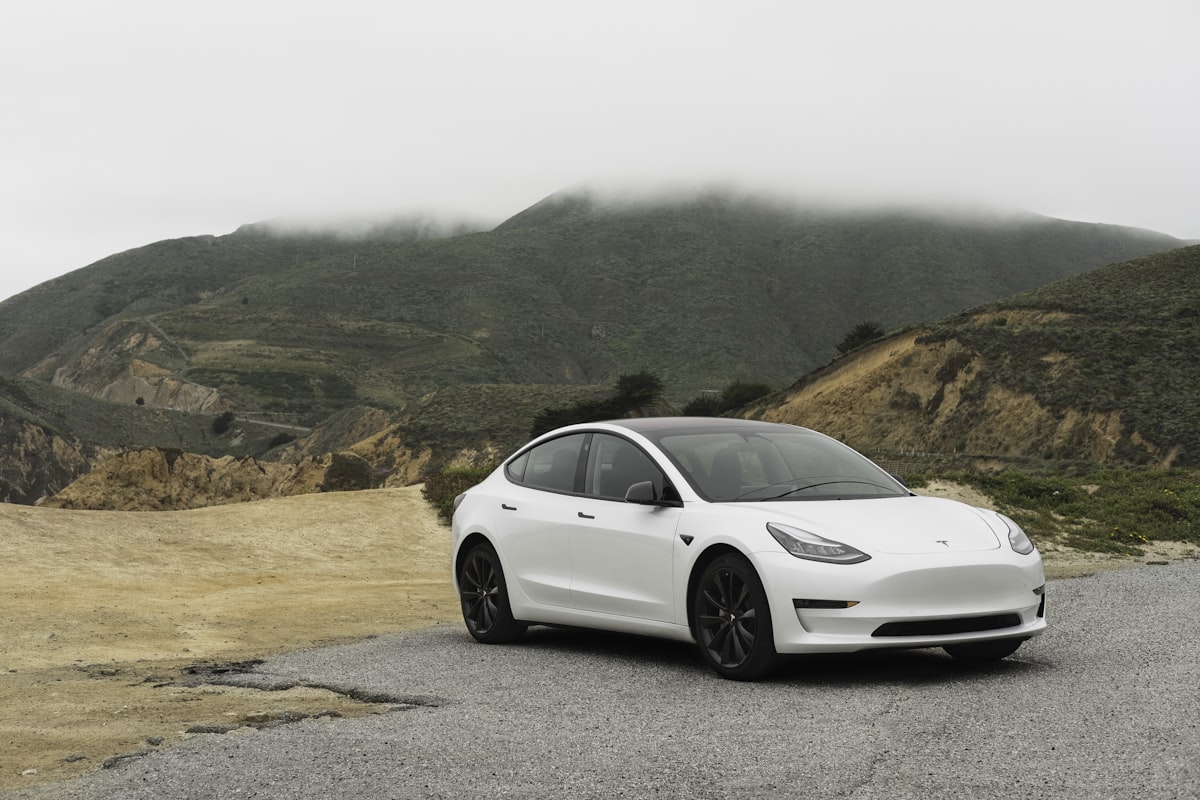
Bigger and heavier vehicles (SUVs, Trucks, RVs) consume more fuel and space on the carrier, leading to higher rates than compact sedans.
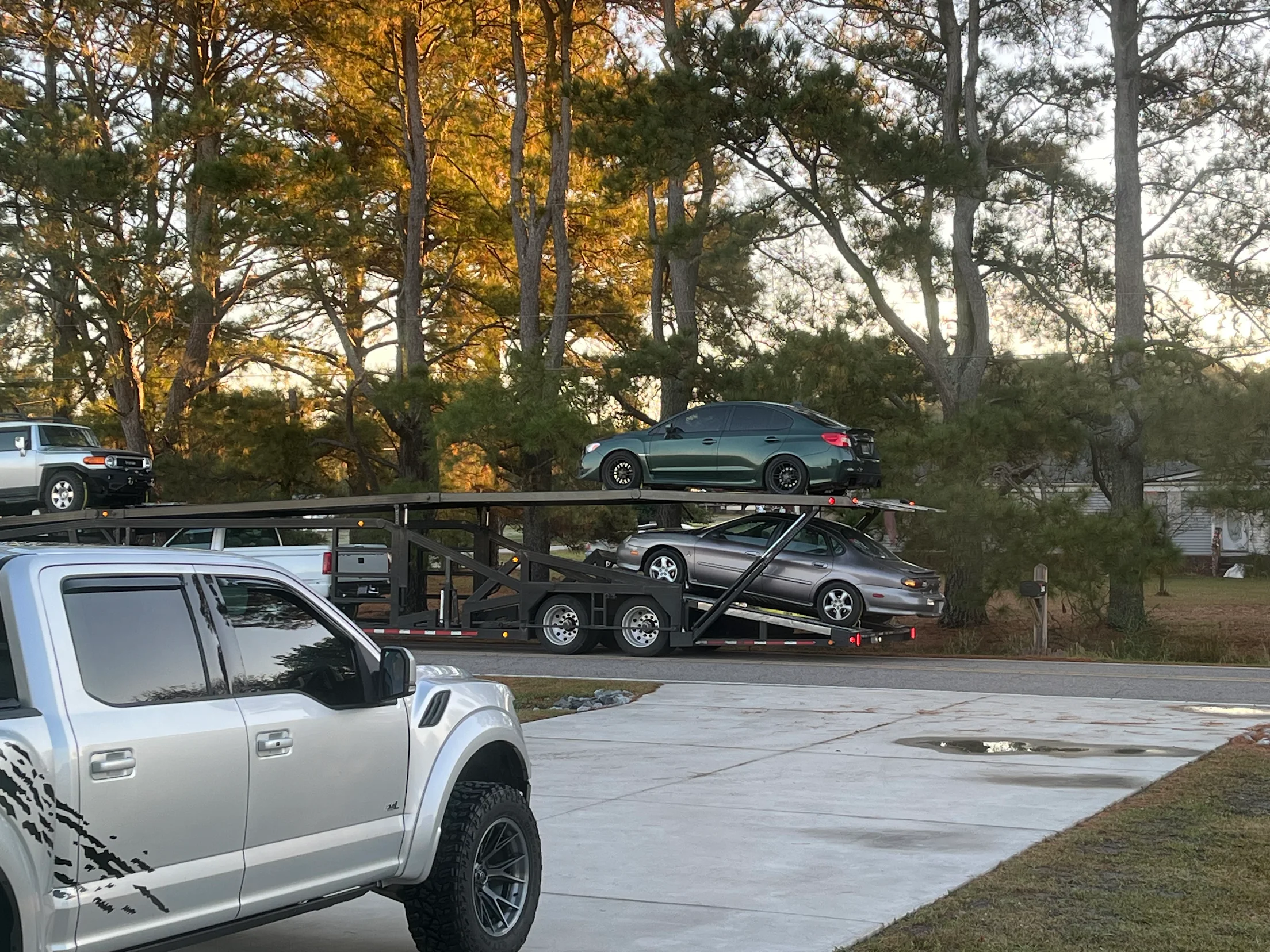
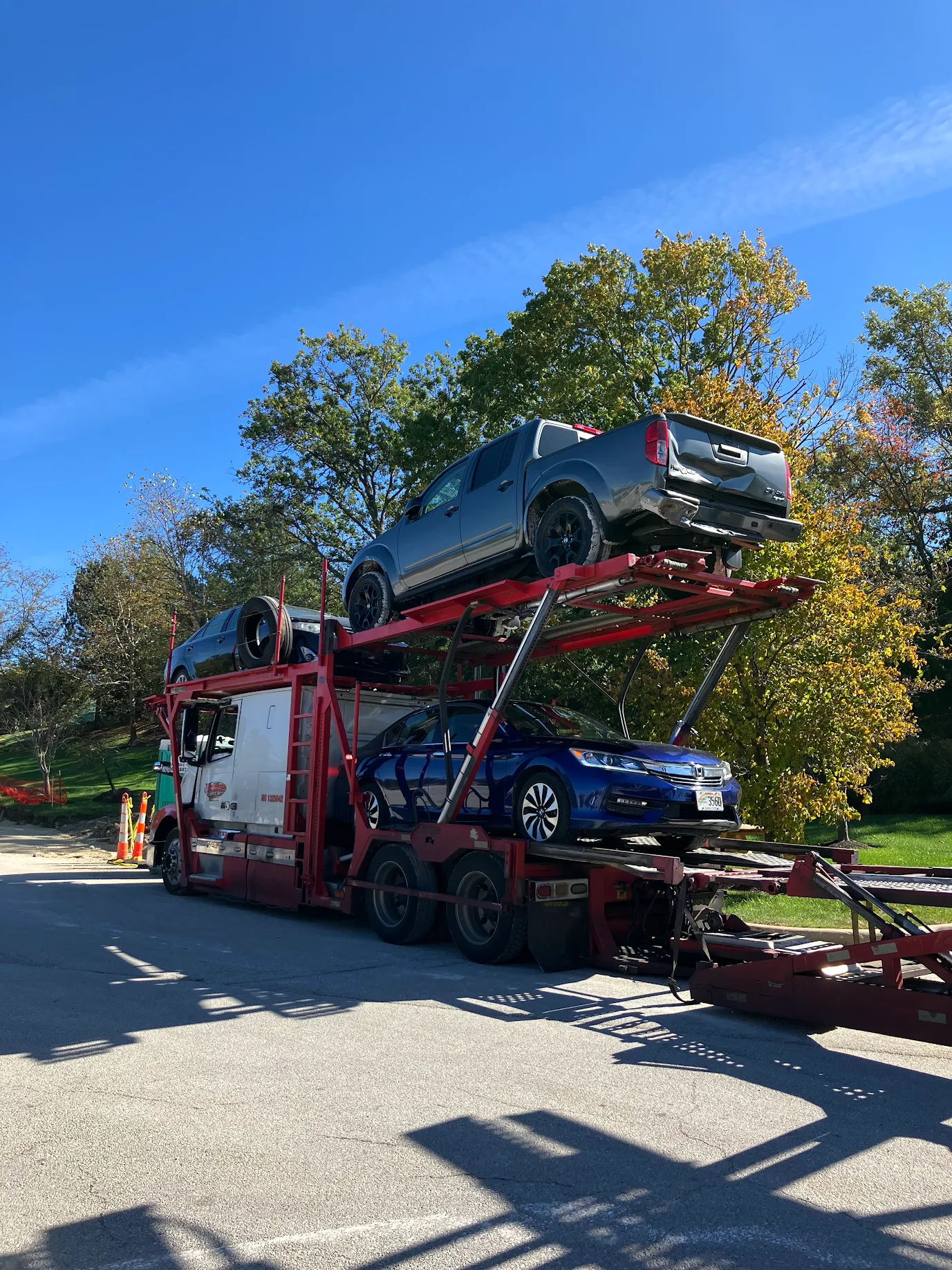
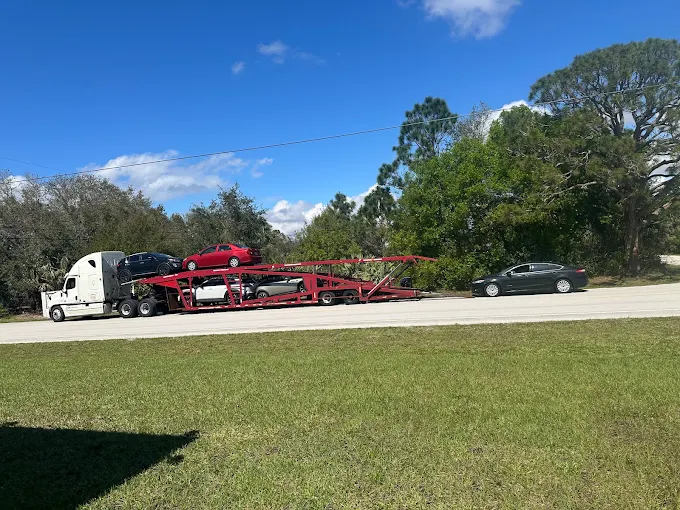
Transport Method Impact
Estimated Cost Ranges (2026 Guide)
To give you a better idea, here's a general table of estimated car shipping costs based on recent industry averages.
| Distance | Open (Sedan) | Enclosed (Sedan) |
|---|---|---|
| Under 200 Miles | $300 - $600 | $450 - $900 |
| 200 - 1000 Miles | $600 - $1100 | $900 - $1800 |
| 1000 - 2000 Miles | $1000 - $1600 | $1500 - $2500 |
| Over 2000 Miles | $1500 - $2200+ | $2200 - $3500+ |
Expert Tip
Beyond the Basics
FAQs About Auto Transport
At Seals Shipping, we focus on transparent pricing. Most reputable companies don't require heavy deposits until a carrier is actually assigned to your vehicle.
Quotes are typically valid for 7-14 days as market conditions and fuel prices can change quickly.
Yes, if the car doesn't run, it requires special equipment like a winch to load it onto the trailer, which usually adds $100-$200 to the cost.
Conclusion
Shipping a car doesn't have to be a mystery. By understanding the core factors—distance, vehicle type, and method—you can budget effectively. Always prioritize reputable companies with clear, detailed quotes.
FAQs About Auto Transport
Pricing is based on distance, vehicle type (size/weight), transport method (open vs enclosed), and current market demand/fuel prices.
Enclosed transport typically costs 30-50% more than open transport due to specialized equipment and lower capacity per trailer.
Yes, larger vehicles like SUVs and trucks take up more space and weigh more, which increases fuel consumption and reduces the carrier's capacity.
At Seals Shipping, we provide all-inclusive quotes. However, some companies may add insurance or fuel surcharges later, so always check the fine print.
Carriers are generally prohibited by law from transporting household goods. While some allow up to 100lbs in the trunk, it's not insured and can increase the cost.